How Kazakhstan Is Scaling World-Class Digital Education: A Guide to Institutionalizing Online Learning Partnerships
Overview
The digital transformation is accelerating at an unprecedented pace, reshaping labor markets and forcing universities to rethink how their curricula connect directly to careers. For national education systems, the challenge is not just about adopting technology—it’s about systematically integrating high-quality, for-credit learning that prepares students for the global digital economy. Kazakhstan’s Ministry of Science and Higher Education has emerged as a pioneering example, by renewing and deepening its partnership with global online learning provider Coursera. This guide unpacks the strategy behind that partnership, offering a step-by-step blueprint that other ministries, universities, and educational leaders can adapt to institutionalize world-class learning at scale.
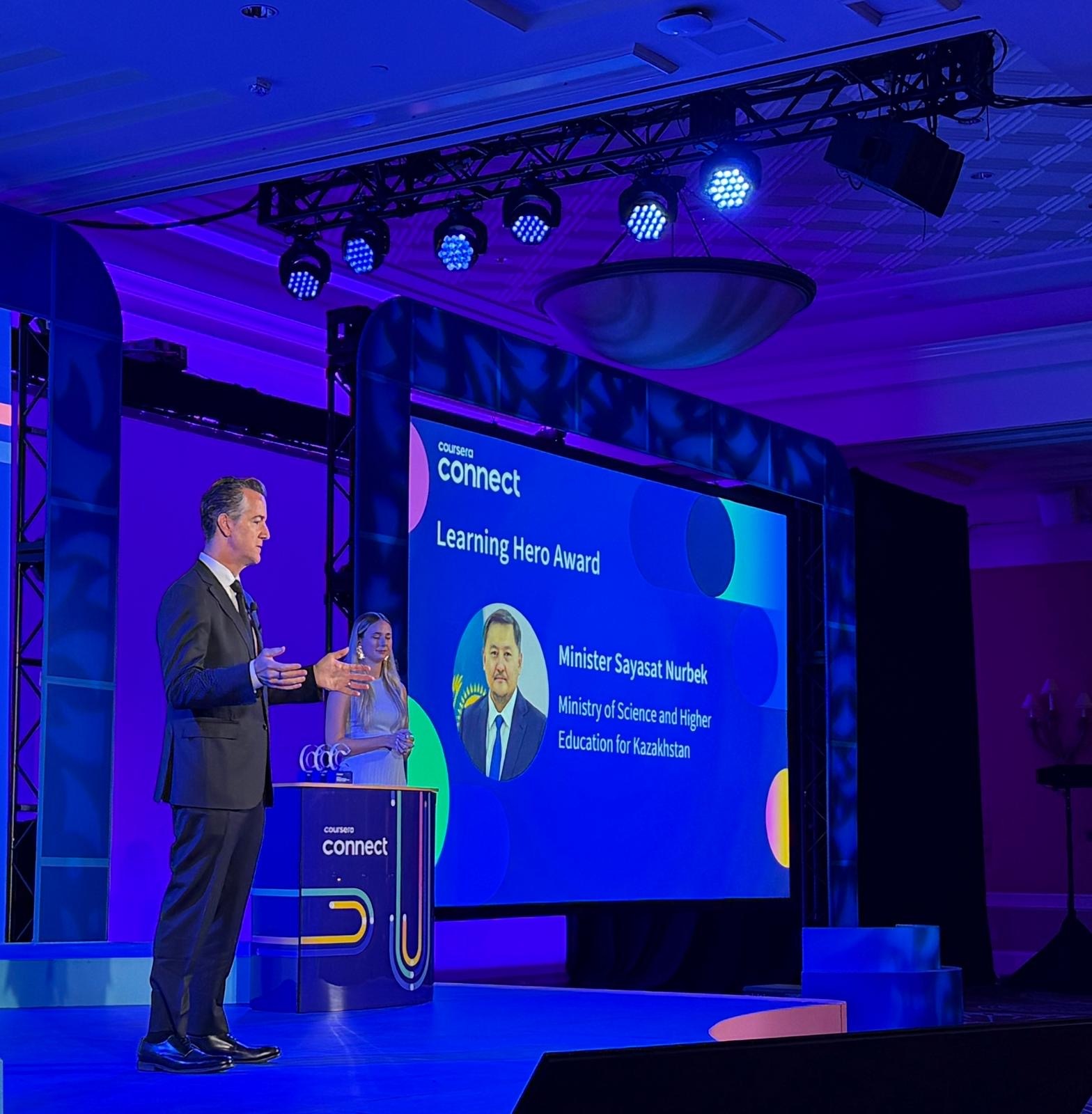
The initiative focuses on three core pillars: modernizing curricula through access to 13,500+ courses from over 375 leading institutions, equipping every student with foundational AI knowledge (via the AI-Sana initiative), and promoting the Kazakh language by translating over 4,000 priority courses. Since 2022, the collaboration has reached over 235,000 students, who have earned more than 500,000 certificates across 100+ Kazakhstani universities. This guide explains how these results were achieved and how you can replicate the model.
Prerequisites
Before embarking on a similar national-level online learning partnership, ensure the following foundational elements are in place:
- Leadership Commitment: Buy-in from the Ministry of Education or equivalent body is essential. In Kazakhstan, the Ministry of Science and Higher Education drove the agenda.
- Clear Skills Strategy: Align the partnership with national priorities—e.g., digital transformation, AI readiness, career readiness.
- Infrastructure: Reliable internet access, device availability for students, and a learning management system (LMS) that can integrate with the partner platform.
- Credit Transfer Framework: For for-credit learning, you need a system to map courses to national credit systems (such as ECTS in Europe). Kazakhstan uses ECTS.
- Language Support: If your national language differs from the platform’s primary language, plan for translation or subtitling. Kazakhstan translated over 4,000 courses into Kazakh.
- Faculty Training: Instructors must be prepared to integrate online content into their courses and assess student work accordingly.
Step-by-Step Guide
Step 1: Establish a Strategic Partnership
The first step is to formalize a partnership with a reputable online learning provider. In Kazakhstan’s case, the Ministry signed an agreement with Coursera that allows all public universities in the country to access Coursera for Campus. This provides students with a curated catalog of over 13,500 courses from universities like Yale, Stanford, and companies like Google, IBM, and Anthropic. When negotiating, prioritize:
- Bulk licensing for all public institutions
- Ability to award transferable credits
- Access to industry-recognized certifications
- Reporting and analytics on student progress
Step 2: Integrate For-Credit Learning with ECTS
To make online courses count toward degrees, you must establish a credit equivalency system. Kazakhstan uses the European Credit Transfer and Accumulation System (ECTS). Work with the provider to map course hours and assessments to ECTS. For example, a typical Coursera specialization might be worth 3 ECTS. Universities then allow students to select approved courses as electives or mandatory modules. This legitimizes online learning and boosts adoption. Ensure that transcripts reflect these credits officially.
Step 3: Scale AI Literacy Through Foundational Courses
AI skills are now essential for all graduates. Kazakhstan launched the AI-Sana initiative, which mandates that every student—regardless of major—acquires foundational AI knowledge. To implement this:
- Select introductory AI courses that are accessible to non-technical students. Examples from the partnership: Google AI Essentials, Anthropic’s “Building with the Claude API.”
- Integrate these courses into the first-year curriculum or as a university-wide requirement.
- Use the platform’s learning pathways to guide students from basics to advanced topics. Coursera offers 1,100+ GenAI courses.
- Encourage completion of industry certifications to add resume value.
Step 4: Localize Content for the National Language
Language can be a major barrier to equitable access. To overcome this, Kazakhstan translated over 4,000 high-demand courses (AI, data science, machine learning) into Kazakh. Steps to replicate:

- Identify priority subject areas based on national skills gaps.
- Partner with the provider to enable subtitle and interface translations.
- Engage local linguists and subject matter experts for accurate translation.
- Pilot translated courses with a small group before full rollout.
Step 5: Monitor Impact and Iterate
To sustain momentum, track key metrics: number of students reached, certificates earned, course completion rates, and employer feedback on graduate skills. Kazakhstan reported 235,000 students and 500,000 certificates. Use this data to:
- Adjust course offerings based on demand.
- Identify universities that need additional support.
- Showcase success stories to secure continued funding and political support.
Common Mistakes
- Underestimating Language Barriers: Assuming English-only content is fine can exclude large segments of students. Invest in translation from the start.
- Ignoring Faculty Involvement: If instructors are not on board, they won’t integrate the courses into their syllabi. Provide training and incentives.
- Neglecting Credit Transfer: Without official credit recognition, students may not take online courses seriously. Formalize the process early.
- One-Size-Fits-All Approach: Not all universities have same capacity. Tier support: offer basic access for all, advanced options for leading institutions.
- Lack of Quality Assurance: Ensure partner courses meet national quality standards. Use peer review and student feedback to maintain rigour.
Summary
Kazakhstan’s renewed partnership with Coursera demonstrates a systematic approach to integrating world-class online learning into a national higher education system. By securing leadership commitment, establishing for-credit pathways, scaling AI literacy, localizing content, and monitoring outcomes, the Ministry has achieved remarkable reach and impact. This guide provides a repeatable framework for other countries or institutions aiming to bridge the gap between curriculum and careers in the digital age. The key is to treat the partnership as a strategic transformation, not just a procurement exercise.