Ancient Doctor's Medical Kit Unearthed from Pompeii Victim
Recent scans of a victim from the ancient city of Pompeii have revealed a remarkable find: a medical kit carried by a man who perished during the catastrophic eruption of Mount Vesuvius in A.D. 79. This discovery sheds new light on the practice of medicine in Roman times and offers a tangible connection to the past. Below, we explore the details of this excavation through a series of questions and answers.
What was discovered in Pompeii regarding a medical kit?
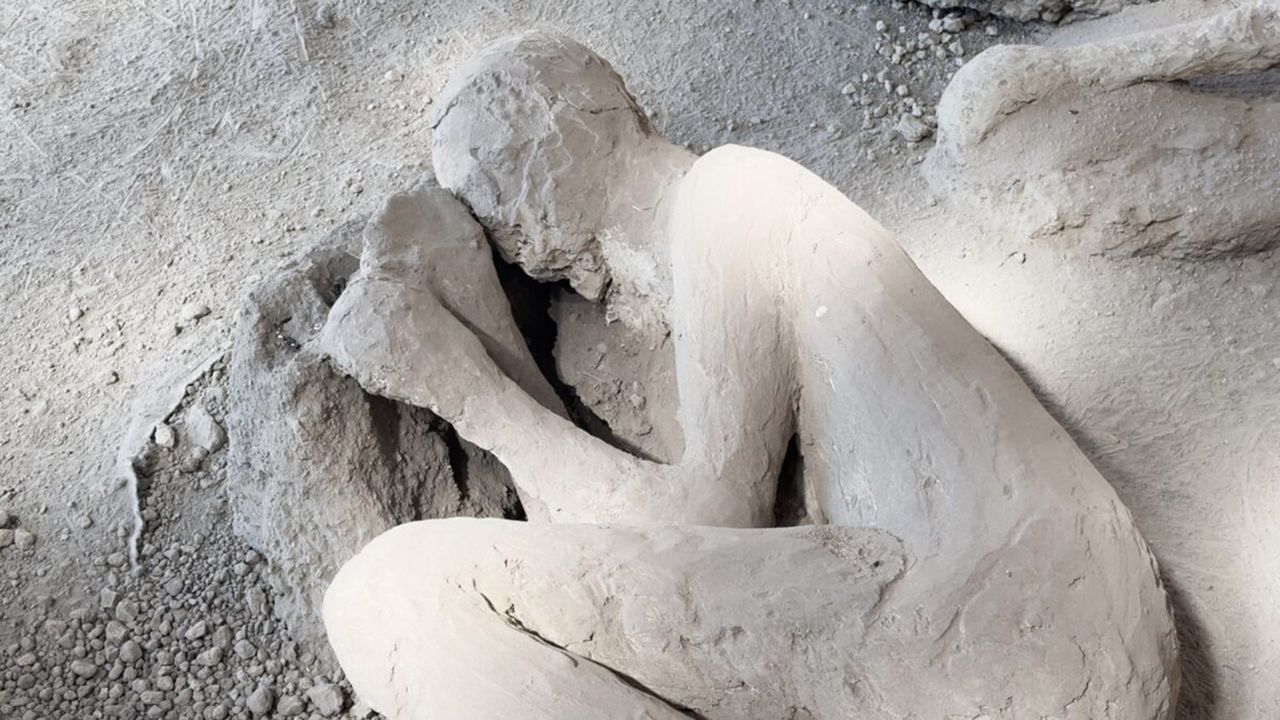
Archaeologists conducting a recent scan of a Pompeii victim's remains discovered a set of medical instruments that appear to be part of a portable kit. The victim, who died during the A.D. 79 eruption of Mount Vesuvius, was found with a collection of tools typically used by ancient doctors. These include scalpels, forceps, and probes, which were preserved under layers of ash and pumice. The findings indicate that the individual was likely a physician or a medical practitioner who carried his equipment while trying to flee the disaster. This discovery provides a rare glimpse into the medical practices of the Roman era, demonstrating that doctors of the time traveled with specialized tools for treatments and surgeries.
Who was the man carrying the medical kit?
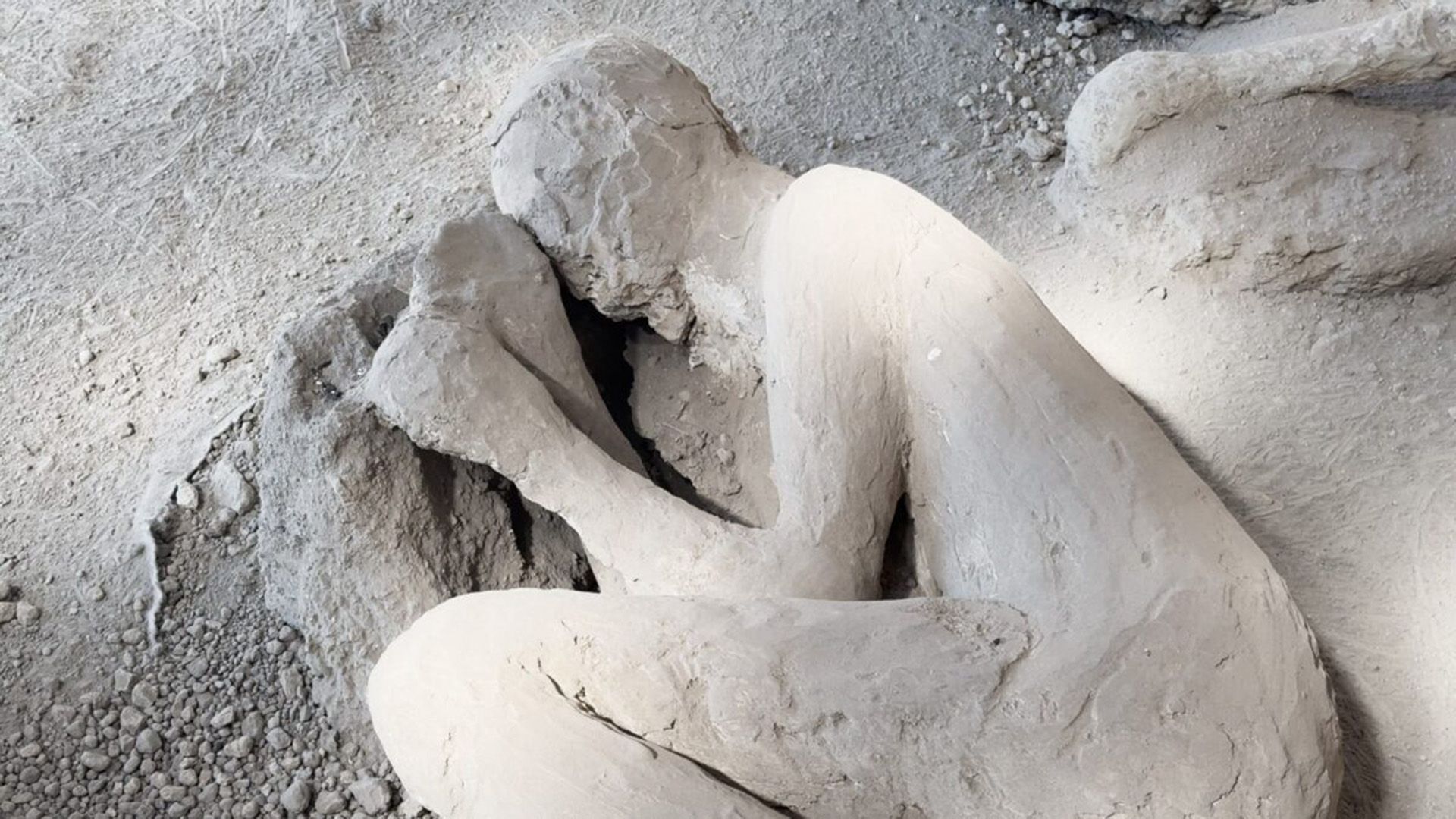
The man who carried the medical kit is believed to have been a doctor or a medical professional, based on the instruments found with his remains. He was one of the thousands of victims caught in the eruption of Mount Vesuvius in A.D. 79. His identity remains unknown, but his kit suggests he was a knowledgeable practitioner, possibly attending to the sick or injured in Pompeii. The presence of such a kit in the city indicates that medical care was available, even during times of crisis. The victim's skeleton was found in a position suggesting he was attempting to escape, clutching his tools—a poignant reminder of his dedication to his craft even in the face of death.
When did the eruption of Mount Vesuvius occur?
Mount Vesuvius erupted in A.D. 79, a catastrophic event that destroyed the Roman cities of Pompeii and Herculaneum. The eruption, which lasted for two days, buried the cities under a thick layer of volcanic ash and pumice, preserving them in remarkable detail for centuries. The exact date has been debated, but many historians place it on August 24, based on contemporary accounts by Pliny the Younger. However, some evidence suggests it may have occurred later in the autumn. Regardless, the eruption is one of the most famous volcanic disasters in history, and the preservation of Pompeii has provided invaluable insights into ancient Roman life, including the recent discovery of the medical kit.
How was the medical kit discovered?
The medical kit was discovered through the use of advanced scanning technologies, such as CT scans and X-rays, applied to the remains of a Pompeii victim. These non-invasive methods allowed researchers to examine the interior of the volcanic ash casts without damaging them. The scans revealed a small pouch or bag containing several metal and stone instruments, previously hidden inside the victim's clothing. This technique has revolutionized Pompeii archaeology, enabling scientists to uncover details that were once invisible. The exact location of the victim within the city was in a building near the forum, suggesting he may have been a healer working close to public spaces.
What items were likely in the medical kit?
The medical kit discovered on the Pompeii victim likely contained a variety of instruments typical for Roman doctors. Based on the scan results, items included scalpels for sharp incisions, forceps for gripping tissues or removing foreign objects, probes for exploring wounds, and possibly surgical hooks or spatulas for mixing medicines. Some of these tools were made of bronze or iron, with handles designed for precise control. The kit also might have contained small containers for herbal remedies or ointments, though the scans did not clearly reveal organic materials. These instruments reflect the advanced nature of Roman medicine, which included cauterization, bloodletting, and minor surgeries, often performed with basic yet effective tools.
Why is this discovery important for understanding ancient medicine?
This discovery is crucial because it provides direct evidence of the tools a Roman doctor would have carried, confirming historical descriptions from texts. While written records like those of Hippocrates or Galen describe medical instruments, physical examples are rare due to degradation. The Pompeii medical kit shows that physicians were equipped for emergencies and mobile practice, challenging the notion that ancient medicine was only practiced in permanent clinics. It also highlights the level of skill required—tools like forceps and scalpels demand dexterity and anatomical knowledge. Furthermore, the context of a disaster reveals how doctors responded to crises, offering a humanizing glimpse of a professional trying to save lives during the eruption. This find enriches our understanding of Roman healthcare and its practical applications.
For more on Pompeii discoveries, see the introduction above.