Rocsys M1: Pioneering Autonomous Charging for Robotaxi Fleets
Introduction
As the autonomous vehicle industry accelerates toward a driverless future, one critical challenge remains: how to efficiently and reliably charge a fleet of robotaxis without human intervention. Dutch-American company Rocsys has stepped up with a solution that promises to redefine depot operations. Their newly unveiled M1 system—dubbed the world’s first hands-free charging solution for multiple bays—aims to eliminate manual plug-in entirely, while a fresh $13 million funding round fuels global deployment plans.
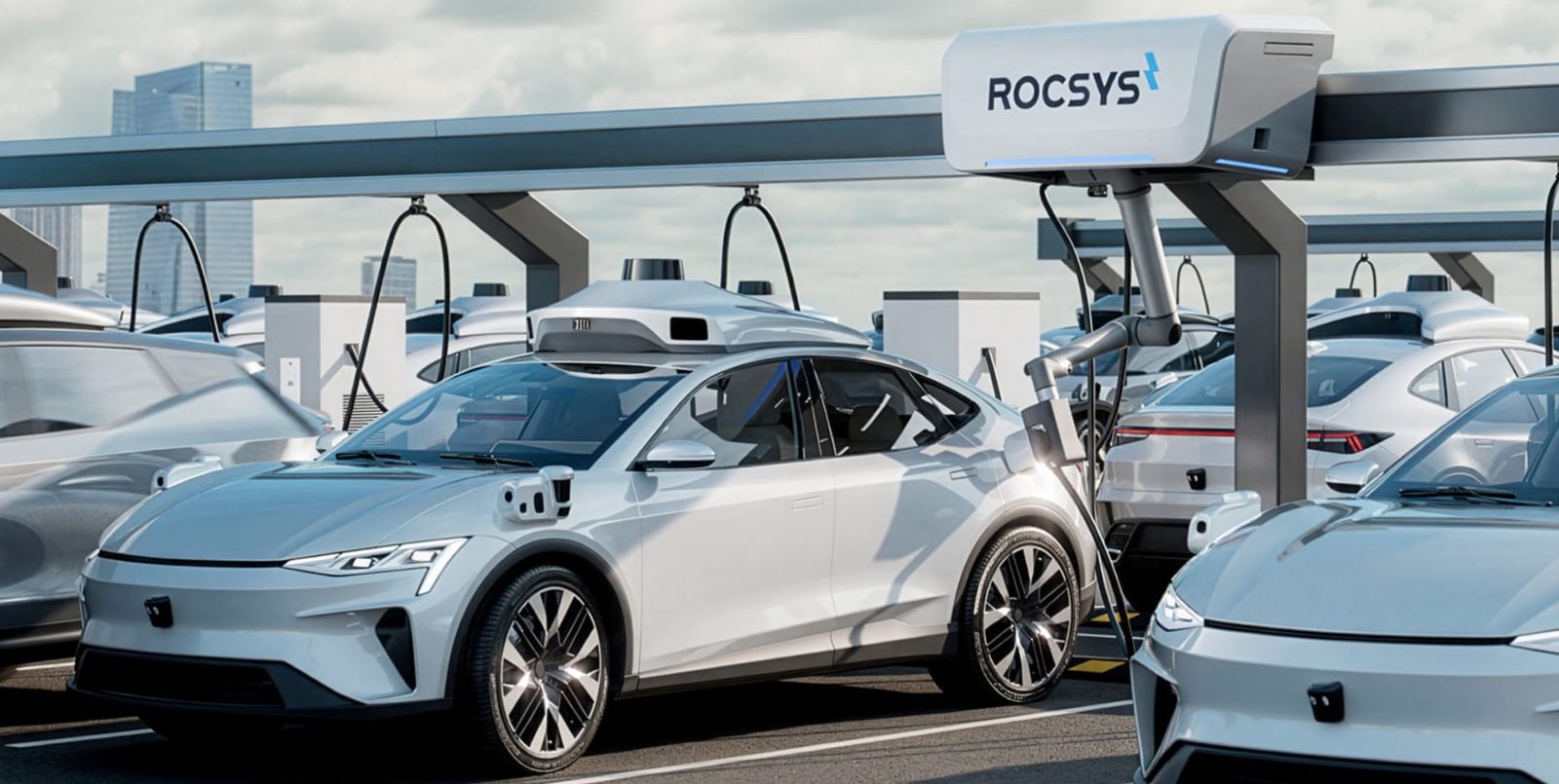
What Is the Rocsys M1 System?
The M1 is an overhead-mounted charging unit designed specifically for robotaxi depots. Instead of requiring a human driver or attendant to connect a cable, the M1 uses a robotic arm that automatically aligns with a vehicle’s charging port. The system can serve up to 10 parking bays from a single unit, moving seamlessly from one robotaxi to the next based on fleet scheduling or charge priority.
How It Works
When a robotaxi enters the depot, the M1’s vision system identifies the vehicle’s precise position and model. A robotic gantry glides overhead, lowers a connector onto the car’s charge port, and initiates charging. Once complete, the connector retracts, and the unit moves to the next bay—all without human touch. This hands-free approach eliminates the need for attendants, reduces wear on cables, and minimizes safety risks.
Funding and Growth Plans
Rocsys announced a $13 million Series A extension, bringing the company’s total funding to $56 million. The fresh capital will support scaling the M1 system across North America and Europe, with initial deployments expected to begin in 2027. The company plans to partner with major automakers and robotaxi operators to integrate the system into new depot designs.
Why This Funding Matters
The autonomous vehicle market is projected to grow exponentially, but infrastructure remains a bottleneck. Rocsys’s solution directly addresses the high labor costs and downtime associated with manual charging. By automating the process, fleet operators can achieve 24/7 operations with minimal human oversight, significantly improving return on investment.
Key Advantages of Hands-Free Charging
- Efficiency: A single M1 unit can manage up to 10 bays, reducing the number of chargers needed and optimizing depot space.
- Safety: No cables on the ground eliminates tripping hazards and reduces electrical risks.
- Scalability: The system can be retrofitted into existing depots or integrated into new builds, making it adaptable for different fleet sizes.
- Future-proof: Designed to work with various vehicle models and charging standards, the M1 can evolve as robotaxi technology advances.
Market Context and Competition
Several companies are developing wireless or robotic charging systems, but Rocsys differentiates itself with a multi-bay overhead design that doesn’t require vehicles to park with millimeter precision. Competitors like WiTricity focus on static wireless charging, which often demands exact alignment. The M1’s adaptive robotic arm can compensate for parking variations, making it more practical for real-world depot operations.

Furthermore, the $13 million extension signals investor confidence in Rocsys’s path to commercialization. With $56 million total funding, the company is well-positioned to pilot projects with leading robotaxi operators before the 2027 target.
Challenges and Considerations
While the M1 offers clear benefits, deployment will require overcoming regulatory hurdles and standardization across different EV models. Depot layouts also need to accommodate the overhead gantry, which may demand ceiling height modifications. Rocsys has stated they are working closely with automakers to ensure compatibility and ease of installation.
Looking Ahead
The shift to autonomous fleets is inevitable, and charging infrastructure must keep pace. Rocsys’s M1 represents a leap forward in depot automation, promising to reduce costs, increase uptime, and enhance safety. With substantial funding and a clear roadmap, the company is poised to play a pivotal role in the robotaxi ecosystem starting in 2027.
For more on autonomous vehicle infrastructure, see our related articles on fleet charging innovations and robotic EV charging systems.